Author: Sumit Wadhwa

  • “The Global Rise of CAR-T: From CD19 Breakthroughs to Scalable Cell Therapy”

    “The Global Rise of CAR-T: From CD19 Breakthroughs to Scalable Cell Therapy”

    Chimeric Antigen Receptor T-cell (CAR-T) therapy is transitioning from breakthrough science to a globally scalable treatment platform. At the heart of this evolution is CD19-directed CAR-T, which has delivered some of the most remarkable outcomes seen in modern oncology. Across multiple international clinical trials in relapsed or refractory B-cell leukemias and lymphomas, CD19 CAR-T therapies have shown consistently high overall response rates, deep complete remissions, and durable long-term survival in subsets of patients. These excellent CD19 results established CAR-T as a clinically transformative modality and set the benchmark for the entire field.

    The science continues to advance. Next-generation CAR designs are improving persistence, safety, and response depth through optimized signaling domains, dual-target strategies, and armored constructs that resist tumor immune suppression. Importantly, strong efficacy trends first seen in North America are now mirrored in Europe and emerging programs in Asia, demonstrating that CAR-T performance — particularly CD19 platforms — is reproducible across geographies.

    However, scientific success must be matched with scalable delivery. Autologous CAR-T manufacturing remains complex, driving innovation in automation, closed systems, regional production hubs, and specialized CDMOs. Meanwhile, allogeneic “off-the-shelf” approaches aim to further reduce cost and expand global access.

    Regulatory and reimbursement frameworks are evolving alongside the science, with growing alignment on quality standards and outcomes-based payment models. Nations investing in infrastructure, workforce training, and local production are positioning themselves as future cell therapy leaders.

    The future of CAR-T will be defined by global convergence — where CD19’s clinical success, engineering innovation, scalable manufacturing, and policy reform combine to make cellular immunotherapy a mainstream standard of care.

  • What is CAR-T and how it is revolutionary

    What is CAR-T and how it is revolutionary

    What is CAR-T Cell Therapy?

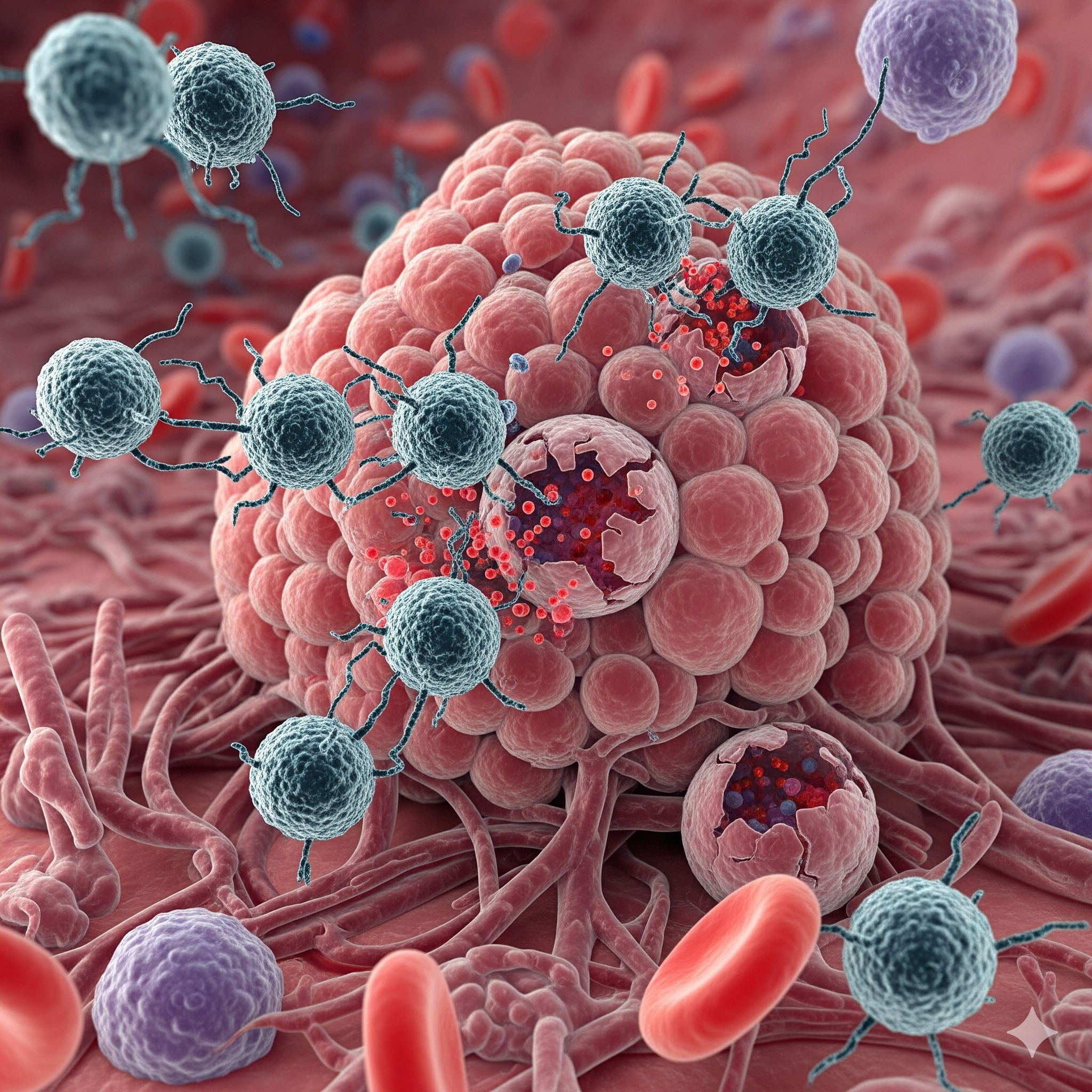
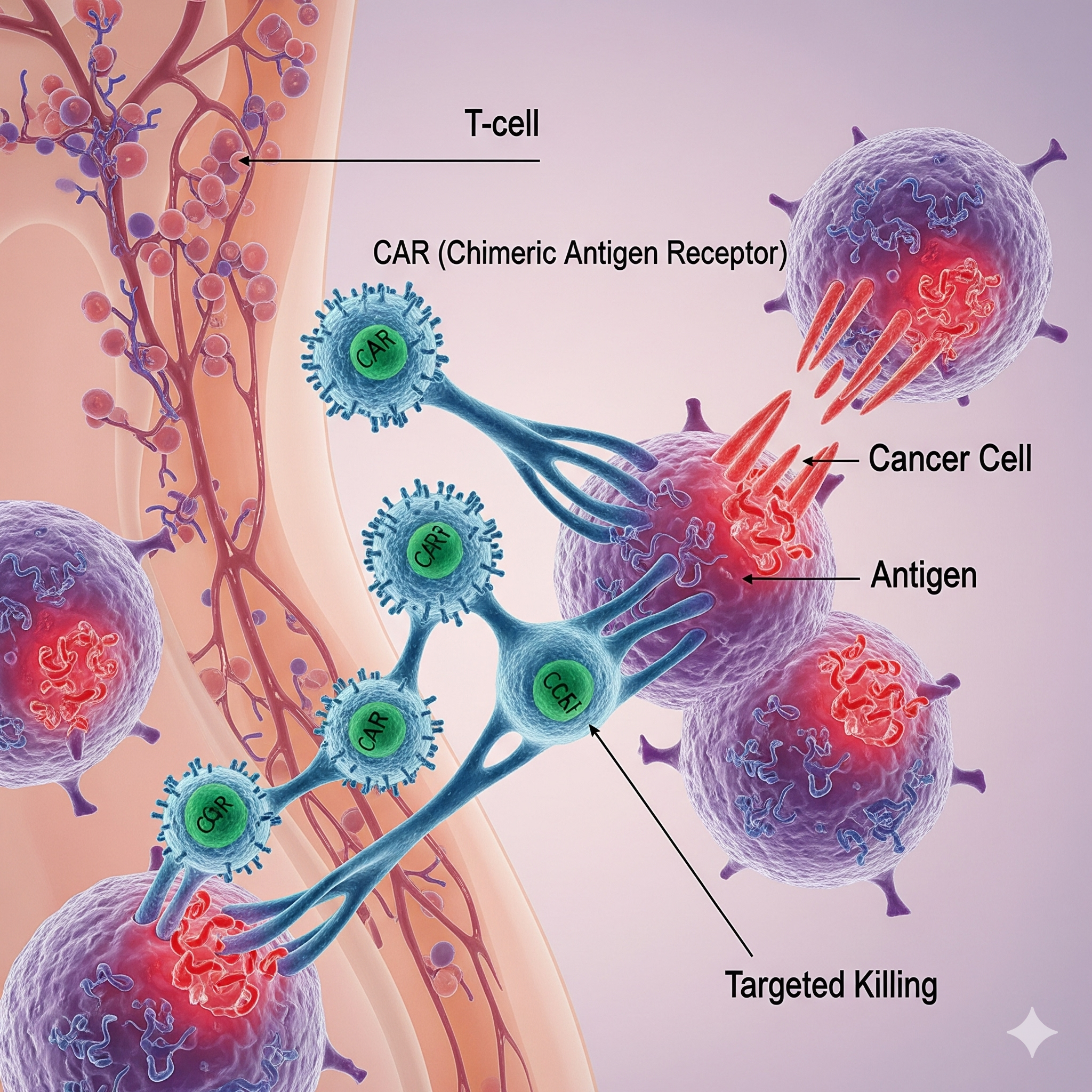
    CAR-T stands for Chimeric Antigen Receptor T-cell therapy. It is a type of immunotherapy in which a patient’s T cells (a type of white blood cell crucial for immune defense) are genetically modified to express a receptor that targets a specific cancer cell antigen.

    This receptor — the chimeric antigen receptor (CAR) — allows the T cells to recognize and kill cancer cells more effectively, even if those cells have evaded other forms of immune detection.

    How Does CAR-T Therapy Work?

    Mode of Action

    CAR-T therapy involves several steps:

    1. T Cell Collection (Leukapheresis)
      Blood is drawn from the patient, and T cells are separated out.
    2. Genetic Engineering
      In the lab, the T cells are modified to express CARs. These synthetic receptors are designed to recognize a specific protein (antigen) on the surface of cancer cells. For example, CD19 is a common target in B-cell malignancies.
    3. Expansion
      The engineered T cells are multiplied in the lab to create millions of CAR-T cells.
    4. Conditioning Chemotherapy
      Before infusion, the patient usually receives lymphodepleting chemotherapy to make room for the CAR-T cells.
    5. Infusion of CAR-T Cells
      The modified T cells are infused back into the patient, where they seek out and destroy cancer cells expressing the target antigen.
    6. Immune Response and Tumor Destruction
      Once infused, CAR-T cells:
    • Bind to the cancer cells via the CAR
    • Become activated
    • Proliferate
    • Release cytotoxic molecules (like perforin and granzymes) that destroy tumor cells
    • Recruit other immune responses for a broader anti-tumor effect

    Diseases Treated with CAR-T Therapy

    As of 2025, CAR-T therapy is FDA-approved for several hematological malignancies and is being investigated for others in clinical trials.

    US FDA-Approved Indications:

    1. B-cell Acute Lymphoblastic Leukemia (B-ALL)

    • Target: CD19
    • Approved CAR-Ts:
      • Tisagenlecleucel (Kymriah) – Approved for children and young adults
    • Indication: Relapsed/refractory B-ALL
    • Reference: FDA Kymriah Approval, 2017

    2. Diffuse Large B-Cell Lymphoma (DLBCL)

    • Target: CD19
    • Approved CAR-Ts:
      • Axicabtagene ciloleucel (Yescarta)
      • Lisocabtagene maraleucel (Breyanzi)
      • Tisagenlecleucel (Kymriah)
    • Reference: National Cancer Institute – CAR T-cell therapy for lymphoma

    3. Mantle Cell Lymphoma (MCL)

    • Target: CD19
    • Approved CAR-T:
      • Brexucabtagene autoleucel (Tecartus)
    • Indication: Adults with relapsed/refractory MCL

    4. Multiple Myeloma

    • Target: BCMA (B-cell maturation antigen)
    • Approved CAR-Ts:
      • Idecabtagene vicleucel (Abecma)
      • Ciltacabtagene autoleucel (Carvykti)

    CAR-T Therapy: Challenges and Future Directions

    While CAR-T therapy has shown incredible promise, it is not without challenges:

    • Cytokine Release Syndrome (CRS) – A potentially life-threatening immune response
    • Neurotoxicity (ICANS) – Inflammation-related neurological side effects
    • Relapse – Some patients relapse due to antigen escape or T-cell exhaustion
    • High Cost – Treatment costs remains high

    Future Research:

    • Solid tumor applications (e.g., glioblastoma, pancreatic cancer)
    • Dual-target CARs to prevent antigen escape
    • “Off-the-shelf” allogeneic CAR-T therapies
    • Combination with checkpoint inhibitors

    Conclusion

    CAR-T therapy has redefined how we treat certain types of blood cancer, offering new hope to patients who had exhausted all other options. Its success has paved the way for innovative cellular therapies, and ongoing research may soon expand its use to solid tumors and autoimmune diseases.

    As we continue to explore and refine this treatment, CAR-T remains a shining example of how personalized medicine can profoundly impact patient outcome

    References

    1. Maude, S. L., et al. (2014). Chimeric antigen receptor T cells for sustained remissions in leukemia. New England Journal of Medicine, 371(16), 1507–1517.
    2. June, C. H., et al. (2018). CAR T cell immunotherapy for human cancer. Science, 359(6382), 1361–1365.
    3. FDA News Releases. (2017-2024).
      • FDA approval of Kymriah
      • FDA approval of Abecma
    4. National Cancer Institute. CAR T-Cell Therapy Overview

  • The Booming Global CAR‑T Cell Therapy Market: Size, Growth & Future Outlook

    The Booming Global CAR‑T Cell Therapy Market: Size, Growth & Future Outlook

    As of September 2025, CAR‑T cell therapy stands out as one of the fastest-growing segments in oncology and personalized medicine. Here’s a deeper dive into the current and projected global market size, growth drivers, regional dynamics, and strategic trends—backed by up-to-date figures and reliable sources.

    Current Market Size & Short-Term Projections

    • Mordor Intelligence estimates the global CAR‑T cell therapy market at USD 4.20 billion in 2025, with a projected rise to USD 9.95 billion by 2030, translating to a CAGR of approximately 13.45% from 2025–2030 (https://www.mordorintelligence.com/industry-reports/car-t-cell-therapy).
    • Data Bridge Market Research offers a slightly lower baseline: valuing the market at USD 2.72 billion in 2024, with expectations to reach USD 6.65 billion by 2032 (CAGR of 11.8%) (https://www.databridgemarketresearch.com/reports/global-car-t-cell-therapy-market)
    • MarketsandMarkets report an even higher growth trajectory: from USD 5.5 billion in 2024 to USD 29.0 billion by 2029, implying a striking CAGR of 39.6% (https://www.marketsandmarkets.com/Market-Reports/car-t-cell-therapy-market-47772841.html).

    Long-Term Forecasts: Exponential Growth Beyond 2025

    • A Precedence Research projection underscores the surging momentum: the market surged to USD 10.39 billion in 2024 and is projected to skyrocket from USD 12.88 billion in 2025 to USD 128.55 billion by 2034, representing an exceptional CAGR of 29.1% (https://www.biospace.com/press-releases/car-t-cell-therapy-market-size-worth-usd-128-55-billion-by-2034?).

    Key Drivers Fueling CAR‑T Market Expansion

    Several forces are pushing CAR‑T therapy from niche innovation to mainstream adoption:

    1. Regulatory momentum & early-line approvals: New approvals are expected in years of follow for earlier treatment lines—are expanding eligible patient pools.
    2. Geographic expansion:
      • North America remains the largest regional market (~39–67% share across reports)
      • Asia-Pacific is the fastest-growing, driven by dense clinical trial activity and emerging domestic manufacturing
      • Europe and other regions are scaling capacity with new treatment centres and regulatory support.
    1. Pipeline diversification: BCMA-targeted therapies (for multiple myeloma) are rapidly emerging, alongside earlier applications in lymphomas and leukemia
    2. Operational improvements: Increased point-of-care manufacturing hubs reduce “vein-to-vein” time, boosting accessibility and logistics efficiency.

    https://www.marketgrowthreports.com/market-reports/car-t-cell-therapy-market-100113? ; https://www.rootsanalysis.com/reports/the-car-t-therapies-market-is-projected-to-reach-usd-11-billion-by-2030-growing-at-an-annualized-rate-of-31-claims-roots-analysis/269.html? ; https://www.mordorintelligence.com/industry-reports/car-t-cell-therapy ; https://infinitymarketresearch.com/car-t-cell-therapy-market/1091?

    Challenges Tempering the Forecast

    Despite the promise, some hurdles remain:

    • High cost of therapy – single CAR‑T treatments often exceed USD 350,000–500,000, limiting accessibility.
    • Complex manufacturing & logistics – autologous processes require time, specialized infrastructure, and reliable supply chains.
    • Safety concerns – risks like cytokine release syndrome (CRS) and neurotoxicity demand hospital-level monitoring, inflating total costs.
    https://www.marketgrowthreports.com/market-reports/car-t-cell-therapy-market-100113?

    Charting the CAR‑T Market Landscape

    • Current market size (2024–2025) estimates vary significantly—from USD 2.7 billion to USD 12.9 billion.
    • Short-term forecasts (to 2029–2032) vary between USD 6 billion to USD 29 billion (CAGR ~12–40%).
    • Long-term outlook (2034) sees potential surge past USD 128 billion, driven by broader indications, lower costs, and global expansion.
  • Expanding Horizons: Ongoing CAR‑T Clinical Trials in 2025

    Expanding Horizons: Ongoing CAR‑T Clinical Trials in 2025

    1. Solid Tumors & Glioblastoma Breakthroughs

    2. Hematologic Malignancies: New Targets & Long-Term Data

    • Relapsed/Refractory DLBCL (Rapcabtagene autoleucel / YTB323)
      This next-gen, CD19-directed CAR‑T distinguishes itself with preserved T-cell stemness and ultra-fast manufacturing (<2 days). https://www.sciencedirect.com/science/article/abs/pii/S2152265025023377
    • Chronic Lymphocytic Leukemia (CLL) & Richter Transformation (GLPG5201)
      The EUPLAGIA-1 phase I/II trial of GLPG5201 (CD19 CAR‑T) demonstrated an ORR of 86.7% and CR rate of 66.7%, with only grade ≤ 2 CRS reported and no neurotoxicity. https://www.frontiersin.org/journals/hematology/articles/10.3389/frhem.2025.1610794/full?
    • Multiple Myeloma (MM): Next‑Generation CAR‑Ts
      • BMS-986393 (GPRC5D-targeted): In a phase 1 trial, ORR was 96%, CR rate 46%, with durable responses and manageable CRS/ICANS.
      • CT071 (GPRC5D-targeted): Produced via rapid CARcelerate platform (~30-hour manufacturing). Among 17 patients, ORR was 94.1%, CR rate 52.9%, with MRD negativity in most.
      • Cilta‑cel in Smoldering MM (CAR‑PRISM trial): Against high‑risk smoldering MM, this phase II trial showed 100% ORR and 50% CR at 28 days, with no progression at 6-month median follow-up.

    https://www.frontiersin.org/journals/hematology/articles/10.3389/frhem.2025.1610794/full?

    3. Autoimmune Diseases & Beyond: Off‑the‑Shelf & Regulatory CAR‑T

    • CRISPR Therapeutics – CTX112
      An allogeneic (off-the‑shelf) CAR‑T in Phase I for systemic lupus erythematosus (SLE), with basket trial expansion to include systemic sclerosis and inflammatory myositis. Mid‑2025 updates are expected. https://www.biospace.com/drug-development/5-car-t-cell-therapies-with-autoimmune-readouts-in-2025?
    • Autolus – obe‑cel (Obecabtagene autoleucel)
      Approved for B‑ALL, obe‑cel is now being trialed in autoimmune SLE (CARLYSLE Phase I), with data anticipated in Q1 2025. https://www.biospace.com/drug-development/5-car-t-cell-therapies-with-autoimmune-readouts-in-2025?

    The CAR‑T therapy front has dramatically broadened in 2025, no longer confined to blood cancers but moving into solid tumors, autoimmune disorders, and innovative delivery systems. Highlights include:

    • First successful RCT in solid tumors (gastric/GEJ cancer achieving significant survival gains).
    • Impressive glioblastoma shrinkage and GI cancer responses in early trials.
    • Next-gen hematologic CAR‑Ts with streamlined manufacturing and improved safety/effectiveness.
    • Autoimmune and transplant applications showing the field’s expansion into immune modulation beyond oncology.